


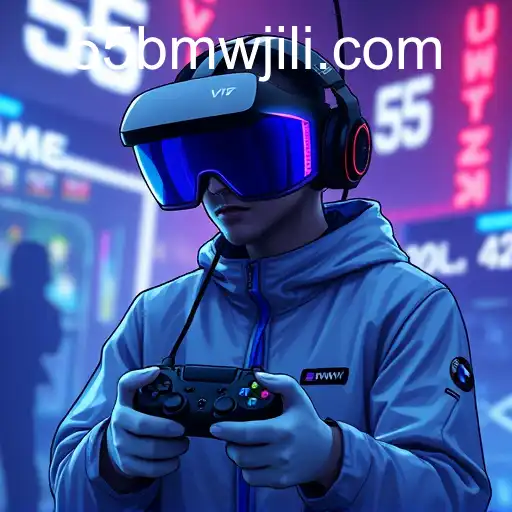
As we move deeper into the 2020s, the gaming industry continues to evolve at an unprecedented pace. The keyword '55bmw' has recently gained traction, symbolizing the convergence of traditional gaming with innovative digital experiences. This evolution is shaped not only by technological advancements but also by shifting consumer expectations and new business models.
One of the major developments in the industry is the proliferation of cloud gaming services. Platforms like Microsoft's Xbox Cloud Gaming and NVIDIA's GeForce Now have made high-quality gaming more accessible than ever before, allowing players to enjoy their favorite titles without the need for expensive hardware. This shift towards cloud-based gaming aligns with broader digital trends and caters to the growing demand for convenience and mobility.
Another significant trend is the rise of augmented reality (AR) and virtual reality (VR) in gaming. These technologies have opened up new dimensions for immersing players in a game's universe, providing unique and personalized experiences that were previously unimaginable. Companies such as Meta and Sony are heavily investing in the development of AR and VR, aiming to redefine how users interact with digital content.
Interestingly, the term '55bmw' often surfaces in discussions about gaming innovation, signifying a niche community that thrives on cutting-edge technology integrations within the gaming sphere. Whether it's through advanced AI opponents, photorealistic graphics, or intricate game worlds, the industry is consistently pushing the boundaries of what is possible.
In addition to technology, societal influences play a pivotal role in shaping the gaming landscape. The global pandemic accelerated digital adoption, subsequently increasing the number of gamers worldwide. Today, games are not just a form of entertainment but also serve as social platforms where players can connect, collaborate, and compete across the globe.
Looking ahead, the gaming industry is poised for further transformation. With the advent of blockchain and NFT technologies, new opportunities are emerging for gamers to own and trade digital assets, creating decentralized ecosystems that empower users. This progression suggests a future where traditional gaming conventions may be completely redefined.
Given these rapid changes, it is clear that the gaming sector remains not only resilient but also adaptive. As 2025 unfolds, the ongoing intersection of technology and gaming will continue to capture the imaginations of gamers and developers alike, ensuring the industry remains a dynamic and integral part of modern culture.