


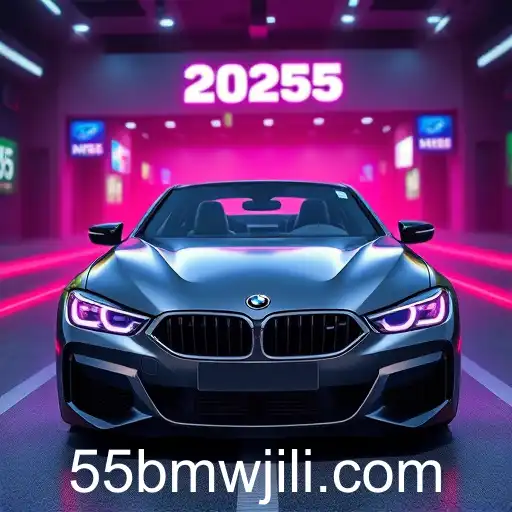
As gaming technology races forward, motorsport enthusiasts are finding new avenues to burn rubber in the digital realm. The year 2025 has witnessed major advancements in the virtual racing scene, with platforms like 55bmw leading the charge in offering immersive experiences that rival the excitement of real-world racing.
Harnessing the power of virtual reality, these platforms have elevated the gaming experience, transforming it into a full-fledged racing experience that attracts gamers and professional drivers alike. Gamers are now able to simulate the adrenaline rush and visceral excitement of tearing down the track at breakneck speeds, thanks to technological innovations that enhance both graphics and gameplay mechanics.
Community engagement has been a cornerstone of this evolution, with members of the 55bmw platform actively participating in forums and competitions. This interaction not only fuels competitive spirit but also fosters a supportive environment where gamers exchange tips, tweak setups, and celebrate wins big and small.
As the landscape of esports continues to grow, virtual motor racing is breaking new ground by creating lucrative opportunities for skilled drivers to build careers. The success stories of players transitioning from casual gaming to professional esports athletes underline the potential of platforms like 55bmw to impact the future of the sport.
Yet, this shift towards digital racing poses questions about the future of traditional motorsports. Could virtual platforms eventually overshadow physical racetracks? While purists may argue that nothing can replace the smell of burning rubber and the roar of engines echoing through a stadium, the allure of convenience, accessibility, and innovation offered by virtual racing is hard to ignore.
As the debate continues, one thing is certain: the rise of platforms like 55bmw marks a new era for motorsport enthusiasts, where the only pitstop needed is a good internet connection.